 BetaGist Top News Around The Globe
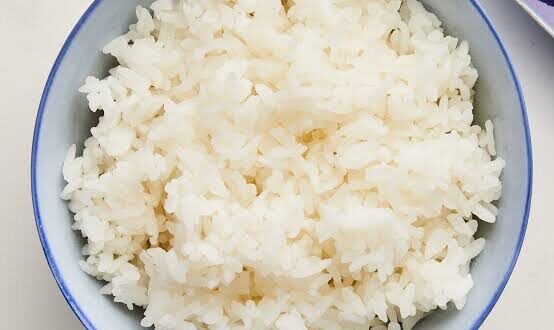
White rice is a common food in many homes because it is affordable, easy to prepare, and filling. While it can be part of a balanced diet, eating large amounts of white rice every day may not be the healthiest choice. Since the outer layers are removed during processing, white rice contains less fiber, vitamins, and minerals than whole grains.
One possible concern is an increased risk of high blood sugar. White rice is digested quickly, causing blood sugar levels to rise faster. Over time, frequent spikes in blood sugar may increase the risk of type 2 diabetes, especially when combined with a diet high in sugary foods and low in physical activity.
Eating too much white rice may also contribute to weight gain. It provides plenty of carbohydrates but may not keep you full for long because it is low in fiber. This can lead to overeating and increased calorie intake, making it harder to maintain a healthy weight.
Another issue is that relying heavily on white rice can reduce the variety of nutrients in your diet. Your body needs protein, healthy fats, vegetables, fruits, and whole grains to function well. Filling most of your plate with white rice may leave less room for these important foods.
Some studies have also linked diets high in refined grains to a greater risk of heart disease. Choosing healthier carbohydrate sources more often may support better heart health, especially when combined with regular exercise and a balanced diet.
You do not have to avoid white rice completely. The key is moderation. Eat reasonable portions and pair white rice with vegetables, beans, lean meat, fish, or eggs to create a more balanced meal. You can also replace white rice with brown rice or other whole grains occasionally to increase your fiber intake.
Healthy eating is about making smart choices consistently. Limiting white rice instead of eating it in excess can help support healthy blood sugar, maintain a healthy weight, and improve your overall well-being.